DIALOGUE WITH BLACK SQUARE

THE BLACK SQUARE AS A DIALOGIC CARRIER
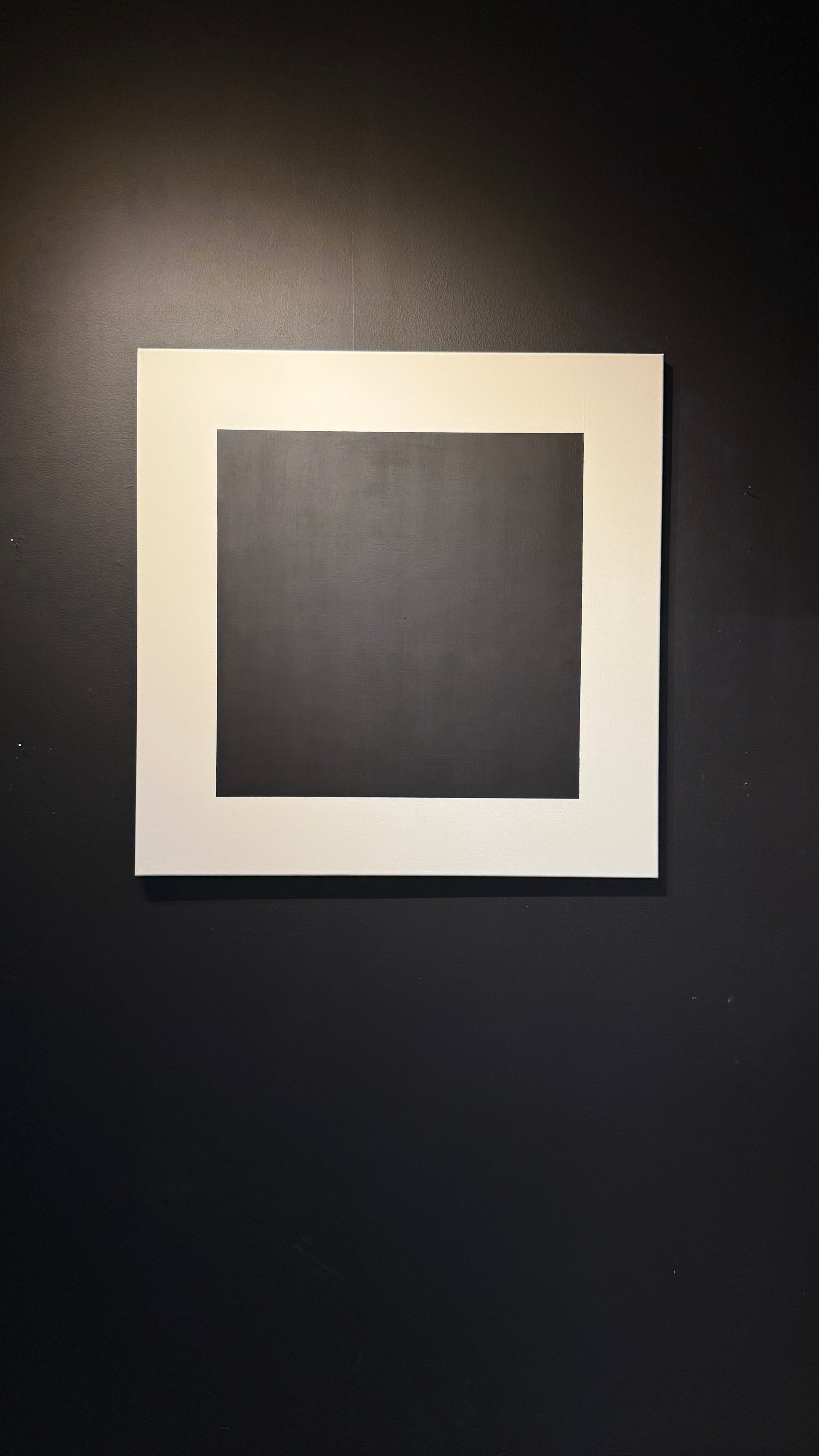
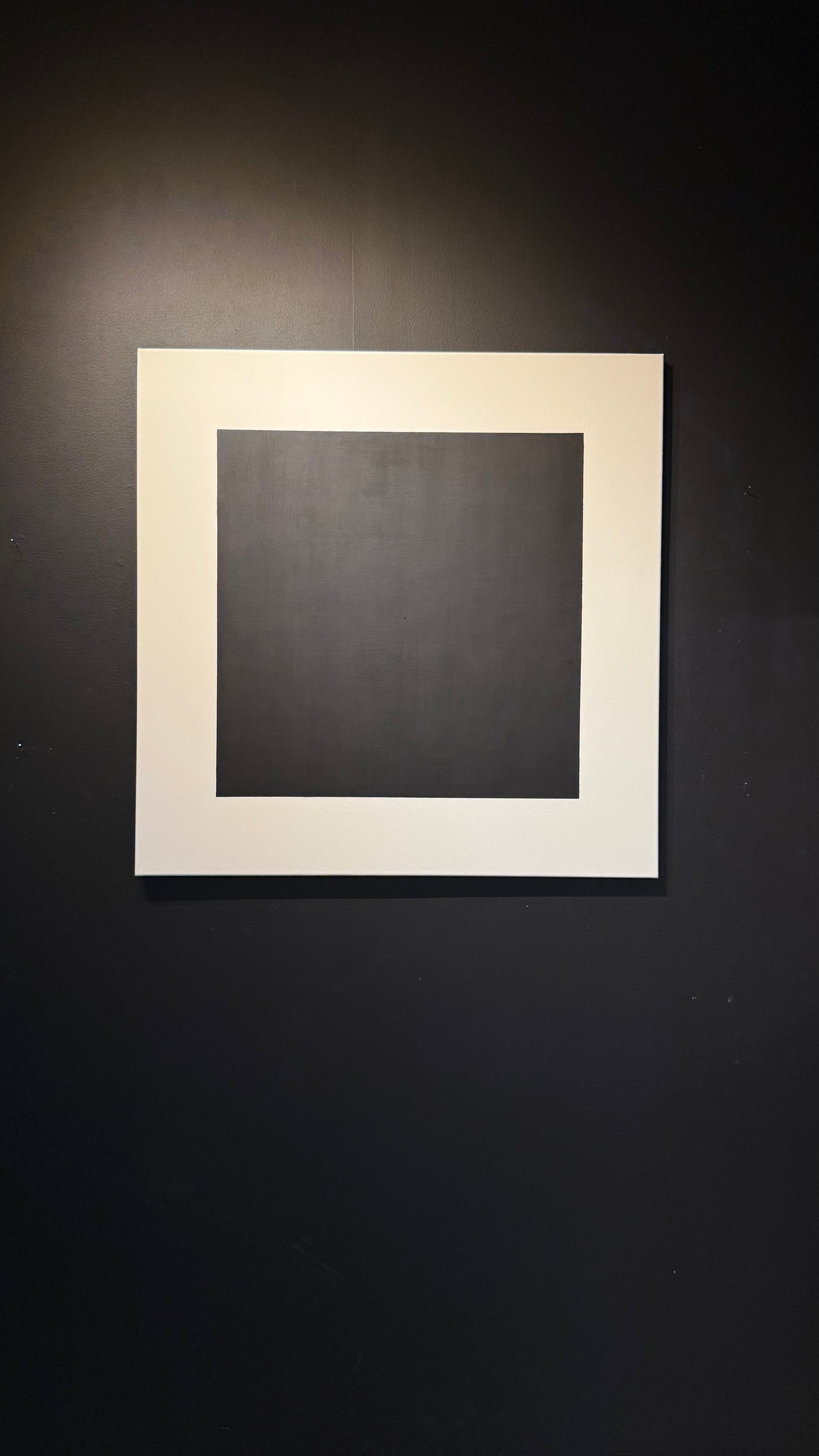
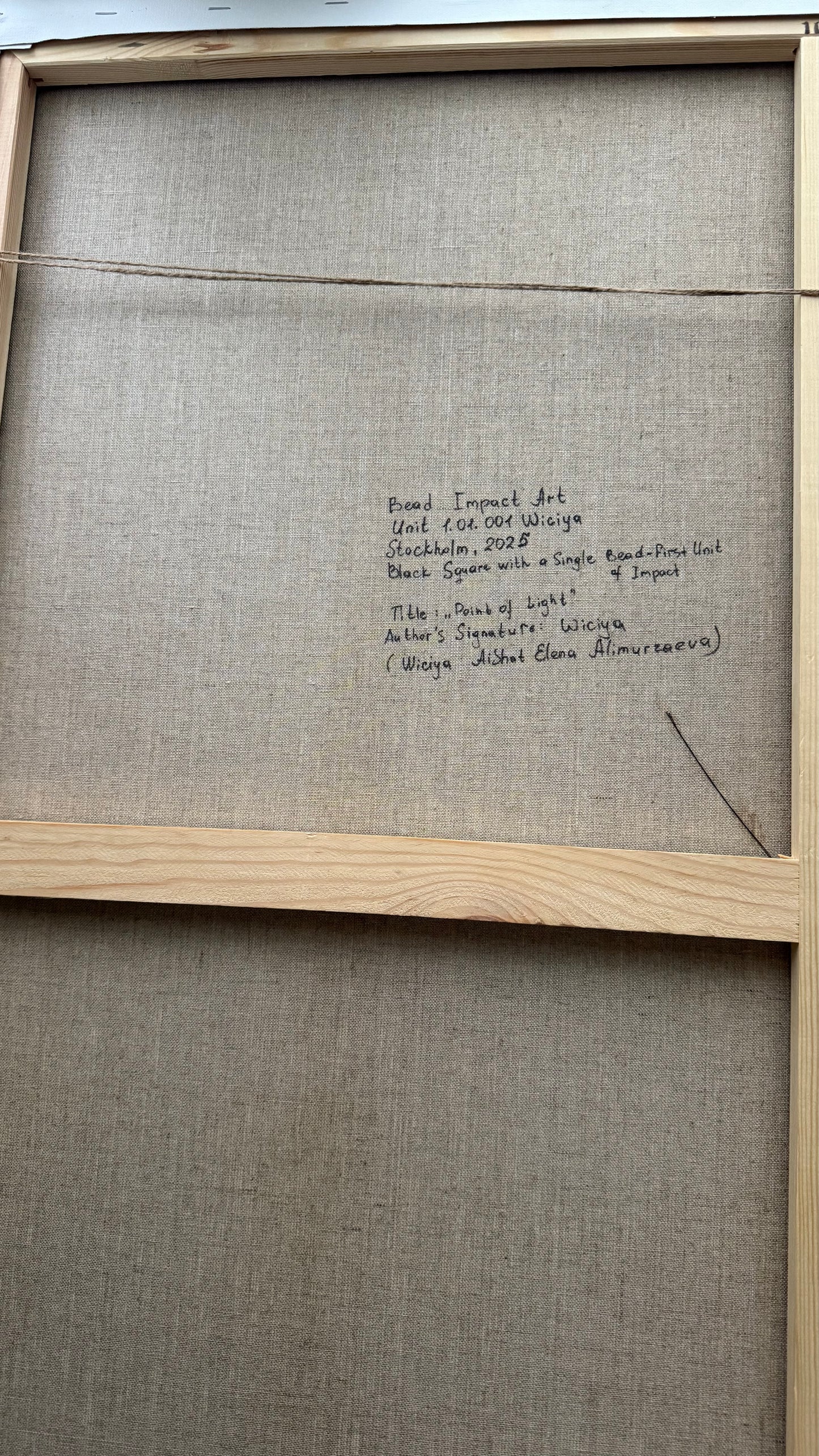
The Black Square enters Bead Impact Art as a Dialogic Carrier.
It holds an independent history, authorship, and cultural meaning. It marks a point at which depiction appeared to reach its limit and raised a fundamental question: what remains possible when representation can go no further?
For Wiciya, this limit did not mark an ending. It opened the possibility of action.
The dialogue does not attempt to correct, imitate, or decorate the Black Square. It begins from the question left within it: if the image has reached its limit, can action continue?
One black bead is fixed to the black Carrier through a real human act. It does not introduce a contrasting image or depict light. It becomes visible because light is already present.
Through this act, the limit of image becomes the beginning of Bead Impact Art.
TRANSCRIPT OF THE ORIGINAL SPOKEN STATEMENT
The text below reproduces the author’s words as spoken in the original video.
AUTHOR’S SPOKEN STATEMENT
Recorded before the act.
This is a canvas I created to enter into a creative dialogue, a dialogue in art, and to say that darkness is not the limit, that the true limit is light.
I intend to meticulously sew a single profound black bead onto this pristine canvas to precisely reveal that illuminating light and, through this very deliberate and significant act, to formally initiate the groundbreaking Bead Impact Art system.
THE DIALOGUE
This dialogue did not begin with the Black Square. It began with a question that had accompanied me for many years: can one real human act change what already exists?
For more than thirty years, I worked with beads and repeatedly experienced that handmade acts could change material conditions and affect human experience around me. Later, during a period of personal collapse, I turned to painting. Painting brought freedom, yet I gradually realised that it remained within the image. It could express emotion, memory, and experience, but I was searching for something different: a real point of action in matter.
That search led me to the Black Square.
For me, the Black Square was not simply a famous work in the history of art. It represented a place that had already been declared a limit. If I wanted to discover whether one real act could change the condition of what already existed, then the dialogue had to begin where the image itself had supposedly reached its end.
I did not enter this dialogue to reject Kazimir Malevich or to correct his work. I entered it because I accepted the seriousness of the question his work had raised. But where the image reached its limit, I saw the possibility of another beginning.
It would have been possible to challenge that limit through destruction. But I was interested in another question. Could I move beyond the limit without destroying it? Could a new beginning appear through an act of construction rather than negation? Could something be built precisely where movement appeared to have ended?
Instead of adding another image, I introduced one real material act. A single black bead was fixed by hand to the black Carrier. Nothing was erased, replaced, or visually transformed. The Carrier remained. Only the act entered.
The bead does not depict light. It receives light and casts shadow. Through light and shadow, the fixed act becomes perceptible as a new material fact.
Through this act, the Black Square became not the end of the image, but the beginning of another artistic possibility.
This dialogue does not argue against the Black Square. It continues from the question the Black Square left open. It asks whether the limit of the image is also the limit of action, and whether a new beginning can emerge without the destruction of what came before.
For me, it could.
One bead was enough to begin.